
Restorative Foundation Insight and practice for restorative wellbeing

Restorative Foundation

Insight and practice for restorative wellbeing

Latest Articles

The Kitchen Table Treaty: Restorative Conversations for Families Caring in Both Directions
Family and Caregiving

The Kitchen Table Treaty: Restorative Conversations for Families Caring in Both Directions

When care runs in two directions, resentment often gathers around rota changes, missed calls and the unspoken assumption that someone else will absorb the cost. This practical guide sets out restorative check-ins, a logistics-to-feelings map and small repair practices for UK families who want to prevent exhaustion from hardening into estrangement.

Cork, Card and Consent: A Restorative Noticeboard Blueprint for Community Rooms
Education and Community

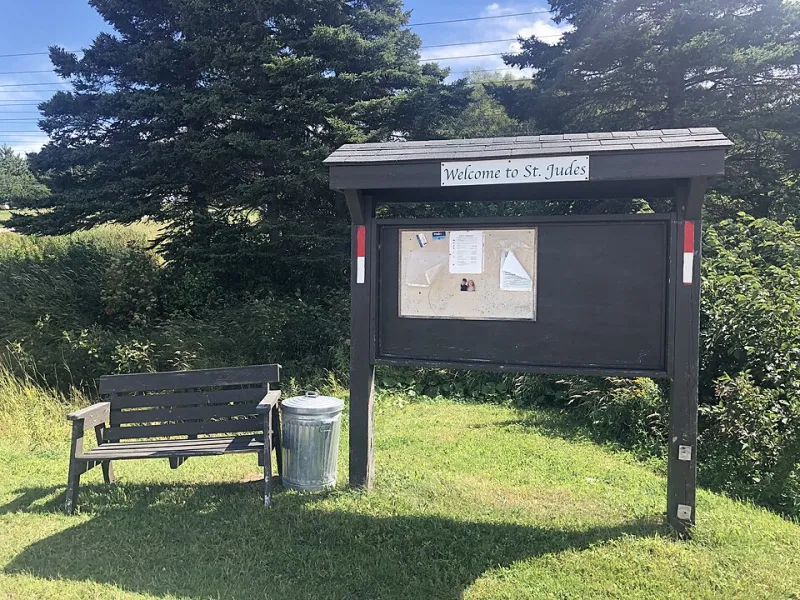
Cork, Card and Consent: A Restorative Noticeboard Blueprint for Community Rooms

A simple physical noticeboard can host anonymous repair requests, offers of help and small acknowledgements of harm in libraries and community halls. This practitioner resource sets out safeguarding, facilitation, wording prompts and a 2026 blueprint for a restorative presence that does not depend on digital access.

Behind the Glass: Restorative Debriefs and Boundary Work at the GP Reception Desk
Practitioner Wellbeing

Behind the Glass: Restorative Debriefs and Boundary Work at the GP Reception Desk

The reception desk absorbs frustration generated elsewhere in the system. This article argues for structured restorative debriefs and consistent boundary-setting after incidents, with reflective questions that practice managers can use without turning receptionists into therapists.

When the Rota Goes Quiet: Restorative Conversations About Volunteer Capacity
Education and Community

When the Rota Goes Quiet: Restorative Conversations About Volunteer Capacity

Unanswered emails are seldom the whole story. This guide sets out how UK community groups and mutual aid projects can notice volunteer strain early, hold a repair conversation about expectations, and rebuild a rota that people can genuinely keep.

Education and Community

Group Chat, Broken Trust: A Restorative Approach to Neighbourhood Tensions Online

Local messaging groups can strengthen neighbourliness, but they can also accelerate grievance and harden division. This article sets out how restorative questions, affective statements and circle principles can be adapted for text-based community spaces, with practical scripts for admins, neighbours and local mediators.

Paper Trails and Repair: Writing Restorative Responses to Complaints
Practitioner Wellbeing

Paper Trails and Repair: Writing Restorative Responses to Complaints

Restorative practice cannot live only in face-to-face circles when so much UK conflict now hardens in writing. This opinion-led guide offers a framework for written repair, including accountability without defensiveness, apologies without legal overreach, and adaptable templates for public services and community organisations.

Men, Loneliness and the Circle That Does Not Perform: Rethinking Community Support in 2026
Practitioner Wellbeing

Men, Loneliness and the Circle That Does Not Perform: Rethinking Community Support in 2026

Men's mental-health meet-ups have made loneliness easier to discuss, but presence is not the same as connection. This opinion-led review argues that restorative circles can offer a structured, dignity-preserving alternative, and sets out practical considerations for practitioners planning male-only spaces in 2026.

After the Tinsel: A Restorative Repair Script for Families Facing January Fallout
Education and Community

After the Tinsel: A Restorative Repair Script for Families Facing January Fallout

Family tension often becomes visible once the festive decorations come down. This practical guide sets out a five-step restorative conversation for UK families who want to acknowledge harm, reduce blame and agree a realistic way forward without pretending the past did not happen.

The Empty Chair Is Not the Problem: A Restorative Supervision Model for Practitioners Who Hold Conflict
Practitioner Wellbeing

The Empty Chair Is Not the Problem: A Restorative Supervision Model for Practitioners Who Hold Conflict

Facilitators and community workers carry other people's conflict week after week. This practitioner guide argues that burnout is a structural failure, not a personal one, and sets out a workable restorative supervision model with five protective boundaries.

Beyond the Register: Restorative Re-Integration and the New Conversation About School Avoidance
Education and Community

Beyond the Register: Restorative Re-Integration and the New Conversation About School Avoidance

Emotionally based school avoidance is rarely resolved by a sanction alone. This article examines why UK schools and local authorities are turning to restorative conversations and circle-based re-integration, and where the approach is being stretched beyond its capacity.