The Morning After the Spark: Restorative Repair for Neighbourhoods Divided by Bonfire Night
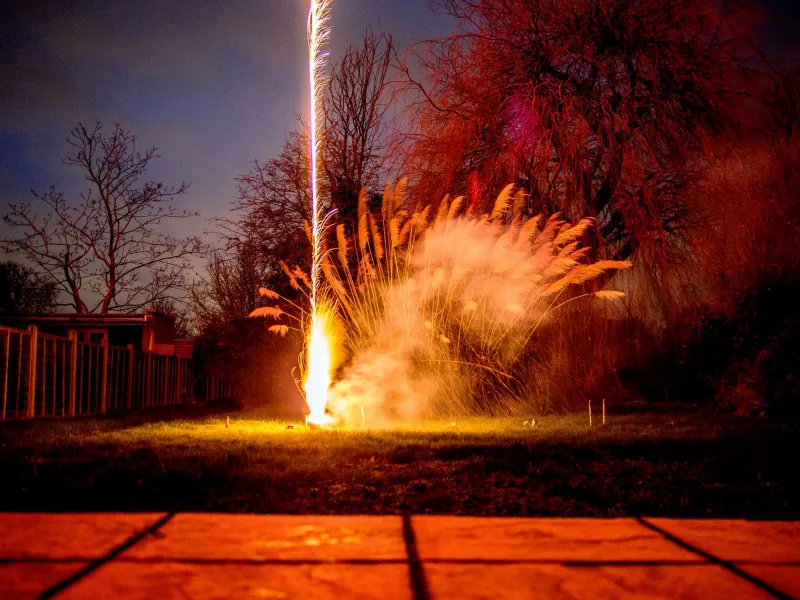
As 11 November 2026 arrives, many UK streets are settling into the quiet that follows Bonfire Night. The bangs have stopped, the bins are full of spent cardboard and the pavements carry the faint smell of smoke. Yet the social aftermath often lingers. A dog that will not settle, an autistic resident who has barely slept, a veteran startled by sudden noise, an older neighbour distressed by smoke through a window, or a family upset by late-night anti-social behaviour can all leave neighbours feeling unheard. In the week after the fireworks, small grievances can harden into lasting resentment.
A restorative approach does not begin by deciding who was right about a firework display. It begins by asking who was affected, what they need, and what obligations neighbours owe one another when celebration and care occupy the same few streets.
Why the week after matters
Community tension rarely appears fully formed. It accumulates through small moments: a complaint made in haste, a social media post written at midnight, a doorstep exchange that ends with a door closed too firmly. By the second week of November, people may be avoiding each other, circulating petitions, or reporting matters to the council that might once have been settled through conversation.
Restorative practice offers a disciplined alternative to blame. It treats harm as relational rather than purely individual. The question is not simply whether a firework was lawful or whether a noise complaint was justified, but how the experience of the street has been altered and what would help restore a sense of safety and consideration.
This is especially important because Bonfire Night sits at the intersection of tradition, culture, commerce and care. Many residents value the celebration. Others experience it as an annual period of genuine distress. A restorative conversation holds both realities without requiring either side to surrender its account.
A light-touch conversation for residents
For neighbours who are willing to speak, a short and informal conversation can prevent a small rupture from becoming a fixed position. The aim is not a formal mediation or a written admission of fault. It is a respectful exchange that makes impact visible and identifies one or two practical adjustments.
Timing matters. Avoid approaching someone during a moment of high emotion, late at night, or through a group message that invites an audience. A brief doorstep conversation, a phone call, or a message suggesting a cup of tea can be enough. The opening should be neutral and non-accusatory.
A simple sequence may help:
- Begin with shared ground: we both live here and want the street to feel manageable.
- Name the impact rather than the character of the person: the noise after eleven was difficult for my household, rather than you were thoughtless.
- Ask an open question: how did the evening feel from your side?
- Listen for needs beneath the complaint: sleep, safety, inclusion, freedom to mark an occasion, care for an animal, or reassurance that concerns will be heard.
- Offer a small, specific next step: a quieter finish time, a warning message, help with clearing debris, or a check-in the following day.
- Agree when to review whether it has helped.
Useful phrases include: I am not asking you to cancel anything; I am asking whether we can find a way that works better for both households. or I may have misread how it affected you; can you tell me what I missed? The tone should be curious rather than therapeutic. Residents are not being asked to conduct counselling on the pavement.
When a practitioner should step in
Community workers, housing officers, faith groups and local practitioners may be better placed to hold a conversation when relations are already strained. Restorative Foundation's perspective is that such involvement should be voluntary, safe and clearly bounded. If there are threats, harassment, safeguarding concerns or repeated targeted behaviour, a restorative conversation is not a substitute for proper reporting and support. It sits alongside safeguarding, not in place of it.
Where practitioners do convene a conversation, they should prepare participants, explain the purpose, set ground rules and avoid forcing an apology. The most useful outcomes are often modest: an agreement to share information earlier, to keep a particular pathway clear, to check on a vulnerable neighbour, or to review arrangements before the next public event.
A pre-agreement for next year
Repair is stronger when it looks forward. A simple neighbourhood compact, drafted before autumn, can reduce the likelihood of repeat harm without pretending that all residents share the same enthusiasm for fireworks. It should be a compact rather than a contract: a statement of consideration, not a by-law.
A template might include:
- Shared expectation: residents may mark Bonfire Night, and all residents are entitled to reasonable peace and safety.
- Quiet windows: agreed times after which private fireworks will not be set off, with flexibility for organised displays.
- Sensitive households: an optional, confidential way for residents to let neighbours know about pets, autism, dementia, PTSD or other needs without disclosing personal information widely.
- Smoke and debris: a shared commitment to check wind direction, keep pathways clear and clear spent fireworks safely.
- Communication: a named contact or simple message group for concerns during the evening, with a clear expectation that it is not used for public criticism.
- Review: a short conversation in mid-November about what worked and what should change.
The compact should be written in plain language and reviewed annually. Its value lies less in the document than in the conversation that produces it.
Holding celebration and care together
Bonfire Night is not the problem in itself. The problem is when streets lack a way to talk about competing experiences before they become grievances. Restorative repair after the event is valuable, but prevention is relational. A street that can discuss noise, smoke, animals and trauma in October is more likely to remain a street that can talk in November.
As the last rockets fade from memory this month, the practical task is modest but significant: make one conversation possible, name one impact, agree one adjustment, and review it. That is how divided streets begin to become shared ground again.