Shared Ground: Restorative Conversations on Allotment Sites
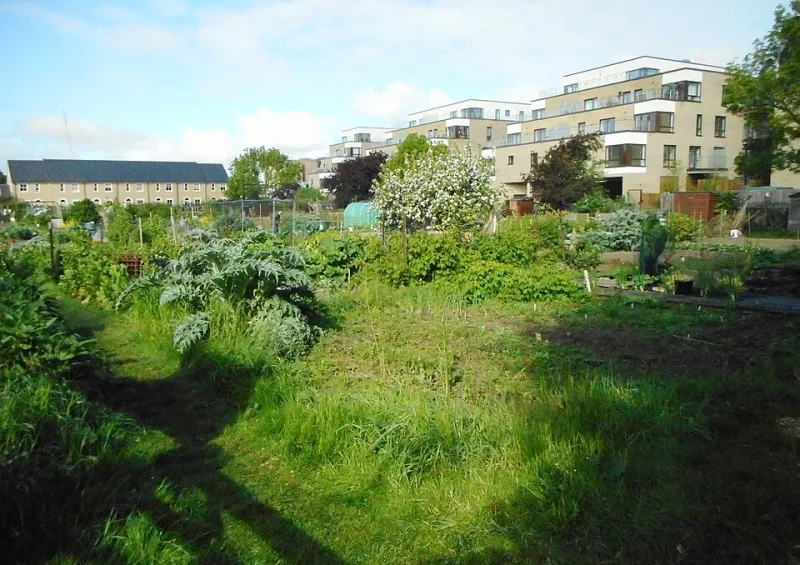
Photo: Richard Sutcliffe , CC BY-SA 2.0, via Wikimedia Commons
Allotment sites are among the most ordinary and most valuable shared spaces in the UK. They are also places where small frictions can harden quickly. A water butt positioned slightly wrong, a hedge trimmed beyond a boundary, noise from a strimmer at an unsociable hour or a plot left unevenly maintained can become the focus of weeks of resentment. Committees often feel pressed to resolve matters through warnings, sanctions or expulsion. Restorative practice offers a different route: one that takes the dispute seriously while asking what would repair trust and make shared gardening sustainable.
Why repair rather than remove
Expulsion may appear to solve an administrative problem, but it rarely addresses the underlying harm. It can remove a person from a source of purpose, physical activity and social contact, and it can leave other plot-holders anxious about who will be next. Restorative approaches do not avoid accountability. They ask who has been affected, what they need, and what obligation exists to put things right. For allotment committees, this sits alongside tenancy agreements and site rules rather than replacing them. The aim is to distinguish clearly between conduct that requires formal action and relationship damage that can be repaired through a structured conversation.
The wellbeing case is considerable. Gardening is associated with reduced stress, gentle physical activity and a sense of agency. Allotment sites also provide low-pressure social contact for people who might otherwise be isolated. When conflict is allowed to fester, those benefits are eroded. People stop attending, avoid communal areas and withdraw from site life. A restorative conversation can interrupt that withdrawal and restore the ordinary neighbourly ties that make shared ground workable.
Preparing for a shed circle
A shed circle is simply a restorative meeting adapted to allotment life. It need not take place in a shed. A community room, a quiet corner of a site building or a neutral local venue is often better, particularly where access, seating or weather may be an issue. Preparation matters more than the setting.
Before inviting anyone, the secretary or committee should consider whether the matter is suitable. Where there are threats, harassment, safeguarding concerns or repeated serious breaches, formal procedures and appropriate advice should come first. For neighbour disputes, speak to each party separately. Explain the purpose, the process and the limits of confidentiality. Make clear that participation is voluntary and that no one is required to agree to anything they consider unsafe or unreasonable.
Choose an accessible venue with level access, adequate seating, hearing support where needed and plain-English written information in advance. Avoid cramped sheds, late evening meetings and places that feel like an interrogation. Consider whether an interpreter, advocate or supporter is needed. Two facilitators are preferable to one, with a clear understanding of who will keep the record. The site secretary should not attempt to mediate alone if the dispute is emotionally charged.
The shed circle format
A simple format can be completed in ninety minutes.
- Welcome and purpose. Explain that the meeting is about repairing working relationships on the site, not about conducting a trial.
- Agree ground rules. These might include speaking one at a time, not interrupting, speaking from personal experience, avoiding blame language and respecting confidentiality within agreed limits.
- What happened. Give each person an uninterrupted opportunity to describe the situation from their perspective.
- Impact. Ask who has been affected and how, including practical effects such as access to water, time spent maintaining boundaries or loss of enjoyment.
- Needs. Ask what each person needs in order to feel safe and able to continue gardening alongside others.
- Agreement. Identify specific, realistic actions, a review date and who will check progress.
- Close and follow up. Thank people, confirm the record and set a date to review whether the agreement is working.
Useful restorative questions include: What happened from your point of view? What were you thinking and feeling at the time? Who has been affected and in what way? What has been the hardest part? What needs to happen now? What can you offer? What would help you to move forward?
Scripts for the site secretary
The secretary's tone sets the temperature. A dignity-preserving opening might be: 'Thank you for coming. We are here because the site works best when plot-holders can talk through difficulties early. This is not a court. It is a structured conversation about what has happened, who has been affected and what practical steps might repair the situation.'
When acknowledging emotion, try: 'I can see that this has been frustrating and that it has taken time and energy. I am not asking you to agree with the other account. I am asking you to help us understand your experience.'
When reframing blame, use: 'It may help to separate what happened from what we think about the person. Can we focus on the specific incidents, their effects and what would prevent repetition?'
When closing, be clear: 'What I have heard is that water access, boundary maintenance and timing of noisy work are the main concerns. The proposed actions are to move the butt, agree a boundary marker and avoid strimming before nine in the morning. We will review this in six weeks. If it is not working, we will meet again before considering any formal step.'
Agreements that hold
Good agreements are specific and modest. They identify who will do what, by when, and how the committee will check. A shared water rota, a boundary marker, agreed quiet hours or a maintenance schedule may be more useful than a broad promise to be considerate. Record the agreement in plain language and keep it with the meeting notes. Avoid public shaming, group chat commentary or notices that identify individuals. Review the agreement rather than assuming it will hold indefinitely.
Inclusion and accessibility
Allotment communities include older gardeners, disabled plot-holders, people with caring responsibilities and people whose first language is not English. A restorative process must be accessible to them. Provide information in advance, offer paper copies as well as email, allow breaks and choose a time that does not exclude people with work or care commitments. Check paths, toilets and seating. Avoid using digital-only consultation where it would exclude less confident users. Reasonable adjustments are part of good practice, not an afterthought.
A wellbeing argument for repair
Restorative repair is not a soft option. It is a practical way of protecting the mental-health benefits of gardening together. A site that handles conflict openly and fairly is more likely to retain volunteers, support isolated members and maintain the everyday cooperation on which allotments depend. The water butt may be the presenting issue, but the deeper question is whether people can continue to share ground with dignity. A well-prepared conversation, a clear agreement and a careful follow-up can answer that question without turning a neighbourly difficulty into an expulsion.
Committees do not need to become therapists. They need a repeatable, fair process that sits alongside their rules and keeps the wellbeing of the whole site in view. The shed circle is one such process: modest, practical and rooted in the belief that shared ground is worth repairing.