Cork, Card and Consent: A Restorative Noticeboard Blueprint for Community Rooms
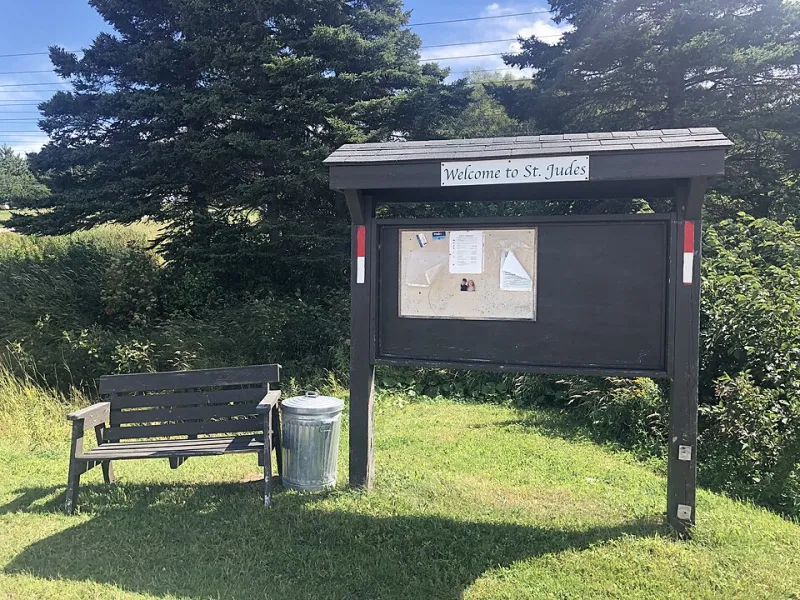
Photo: Ycleymans, CC BY-SA 4.0, via Wikimedia Commons
Not every restorative intervention needs a screen. In libraries, community halls and faith rooms, a simple cork board can become a modest piece of social infrastructure: a place where residents can leave a repair request, offer practical help, or acknowledge a small harm without first creating an account. The appeal is partly practical - digital exclusion remains a real barrier for some older residents, people with limited data, and those who simply do not trust online moderation. But the deeper appeal is symbolic. A physical board says that repair belongs in shared space, not only in private inboxes or formal complaints systems.
What the board is - and is not
A restorative noticeboard is a facilitated tool, not a public shaming wall. It works best when it is visibly curated: cards are brief, non-identifying and action-oriented, and a named steward reviews them regularly. The board is not a substitute for safeguarding, mediation, or formal complaints. It is a low-threshold front door that routes people towards the right support.
Three card types keep the purpose clear:
- Repair request: a request to make something right in relation to a shared space, a recent event or a misunderstanding.
- Offer of help: practical support such as shopping, a lift, gardening, or help with a form.
- Acknowledgement: a brief expression of regret or thanks that does not require a reply.
Use different coloured cards for each type and keep a small supply of pens, pins and a sealed box for sensitive cards. Display a short 'what happens next' panel beside the board so that no one expects a private reply to an anonymous card.
Safeguarding by design
Safeguarding must be built in before the first card is pinned. A named steward should review the board each opening day and remove anything that identifies a person, alleges a crime, contains threats or hate speech, or discloses a risk to a child or adult at risk. Clear escalation routes should be agreed with the venue's designated safeguarding lead and, where necessary, statutory services.
Do not promise confidentiality that cannot be kept. A noticeboard is a public-facing tool, and even a sealed card is not a private clinical space. Wording at the board should say plainly that cards are reviewed, that personal details should not be included, and that urgent concerns should be raised directly with staff. A lockable box can offer a little discretion, but it should be checked daily rather than left as an unmonitored confession box.
The steward's role is triage, not therapy. If a card suggests domestic abuse, self-neglect, exploitation or immediate risk, it should leave the board and enter the venue's safeguarding process. If it suggests a neighbour dispute or a small interpersonal rupture, it may be suitable for a facilitated conversation or a signpost to community mediation.
Facilitation rhythm
A board without a steward becomes clutter or conflict. Keep the rhythm simple: a daily ten-minute check, a weekly review with a colleague, and a monthly look at patterns. Log only what is necessary: date, card type, action taken, referral made, and whether the item is closed. Avoid copying personal information onto the board or into an open log.
Keep a 'wins' corner for acknowledgements and thanks, but only with the permission of the person who left the card. The board should not become a scoreboard of grievances. Its value lies in showing that small repair is possible and that someone in the building is paying attention.
Wording prompts that invite repair
Prompts should be plain, modest and free of jargon. Good prompts give people a structure without demanding a confession.
I would like to make something right. It concerns: [shared space / a recent event / a misunderstanding]. What I can do next is:
I can offer: [practical help]. I am usually available: [days or times]. Best way to contact me: [safe contact route].
I want to acknowledge: [a small harm or a kindness]. I am not asking for a reply, but I wanted to say:
For venues with low literacy or mixed language needs, include picture prompts and offer a steward-assisted card. Avoid words such as 'confess', 'complaint' or 'offender'. The board should invite responsibility without humiliating the person who is trying to take it.
A 2026 blueprint for libraries and halls
Start small. A six-week pilot is enough to learn whether the board is used, whether it creates additional safeguarding demands, and whether staff have capacity to steward it.
Week 1: secure permission and roles. Agree the location, the named steward, the safeguarding lead and the escalation route. Print cards, prompts and a 'what happens next' panel.
Week 2: brief staff and volunteers. Keep the briefing practical: what to remove, what to log, when to refer, and who reviews the board. Agree a quiet space for any follow-up conversation.
Week 3: launch gently. Display the board with a short explanation and a small supply of cards. Avoid a fanfare that implies the board can solve problems it cannot.
Weeks 4-6: steward and review. Check daily, review weekly, and collect only the data needed to decide whether to continue. Useful measures include the number and type of cards, referrals made, offers taken up, and qualitative feedback from staff and residents. Do not claim that a noticeboard alone has reduced harm.
At the end of the pilot, decide whether to continue, adapt or close. A digital complement - such as a QR code leading to the same prompts - can be useful, but the physical board should stand alone. By 2026, public spaces are under pressure to justify every square metre. A well-run restorative noticeboard earns its place by doing something modest and important: it gives repair a visible, low-tech address.