The Chair Nobody Moved: Restorative Work After a Team Is Made Smaller
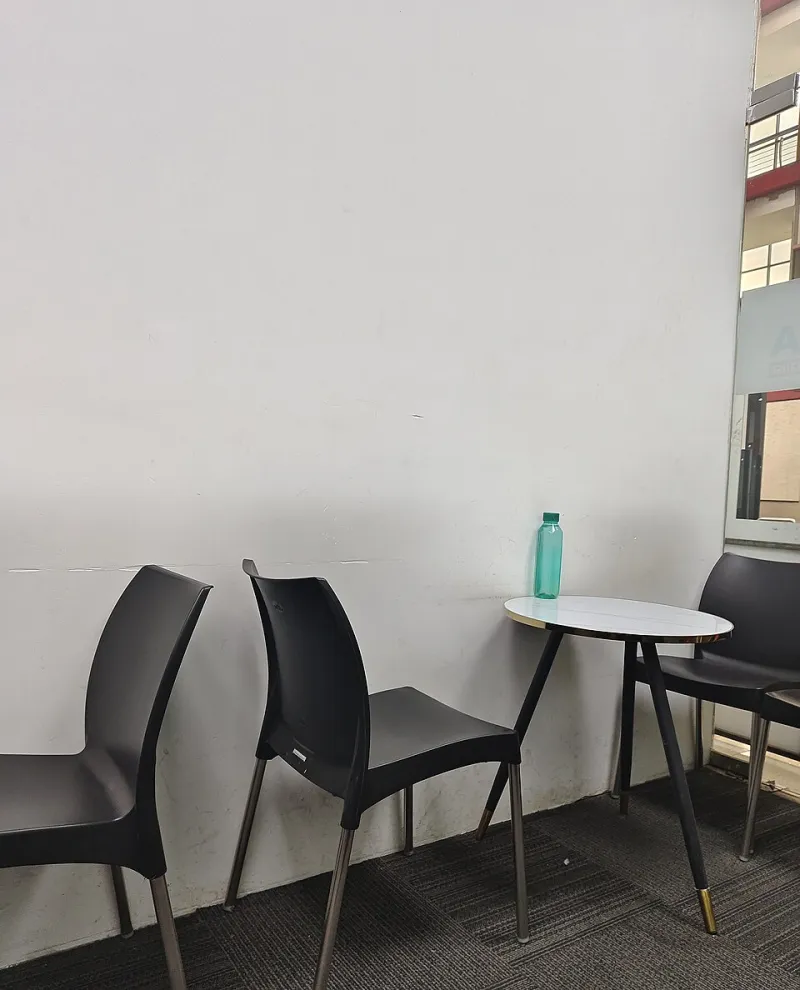
Photo: Kullatan Kin, CC0, via Wikimedia Commons
Redundancy has a formal ending and a social afterlife. The consultation closes, the letters are issued, and an all-staff email announces a restructure that has already been lived through in private conversations. Then the room settles. The chair nobody moved remains where it was. The team is smaller, but the work has not shrunk with it. This is the point at which restorative practice is most needed and least often invited.
The after is part of the process
Restorative practice asks who has been affected, what they need, and what obligations now exist between people. Redundancy is not necessarily a harm in itself. Organisations must make difficult decisions, and a well-run process can be lawful, transparent and respectful. But the experience of redundancy can still leave a residue: survivor guilt among those who stay, resentment about how decisions were communicated, anxiety about further cuts, and a quiet sense that loyalty counts for little.
In 2026, many teams in health, local government, charities and small voluntary organisations are working through the consequences of restructures. The people who remain are not lucky in any simple sense. They are often doing more with less while being told to be grateful. The departing colleague may be trying to leave well while feeling erased. The manager may be holding the operational line and the emotional fallout at the same time. No single conversation will resolve that, but a restorative approach can make the aftermath more honest.
Three conversations, not one
It is a mistake to imagine a single team meeting can address redundancy. Three distinct conversations are usually needed. The first is with the departing colleague: an exit conversation that acknowledges contribution, agrees a handover and does not ask them to reassure the people who are staying. The second is with the survivor team: a conversation that acknowledges the loss, names the work that has transferred and invites questions within the limits of what can be shared. The third is with the manager: supervision or peer support that recognises the emotional labour of holding the room.
These conversations are linked, but they should not be collapsed. A departing colleague should not be used as a case study in a team meeting. A team should not be asked to perform closure for the benefit of the manager. Each group has a different relationship to the decision and a different need.
A simple post-redundancy structure
A useful structure has seven steps. First, prepare: decide what can be said, what cannot, and who will say it. Second, acknowledge: name plainly that a colleague has left and that the work has not disappeared. Third, explain within limits: share the decision, the timeline and what is still unknown. Fourth, invite experience: ask what people are carrying now. Fifth, name needs: workload, information, training, ritual or simply time. Sixth, agree small commitments: cover arrangements, check-in dates, a review point. Seventh, follow up.
This is not a grievance hearing. It is not a substitute for consultation or for HR process. It is not a demand that people disclose their feelings. It is a structured opportunity to say what is true and to agree what happens next.
Scripts for managers
A manager might open with: 'I am not going to pretend this has been easy. I want to tell you what I can, hear what this has been like, and agree a few practical things for the next month.' A team member might say: 'I do not need you to justify the decision. I need to know how we are sharing the work.' Another might say: 'I feel guilty that I am still here, and I do not know what to do with that.' The manager does not have to resolve the guilt. They have to receive it without dismissing it.
A facilitator should be clear about scope: 'This conversation is about what the team is carrying now. It is not a review of the redundancy decision.' That sentence protects the conversation from becoming a tribunal it cannot be.
Closure rituals that do not demand gratitude
Closure is not the same as a leaving do with a card and a collection. It can include a handover session, a short team ritual, or a final conversation that names what the departing colleague contributed. Avoid forcing a narrative of gratitude. A person who has been made redundant should not have to thank the organisation in public in order to leave with dignity.
For the remaining team, a twenty-minute ritual can be useful: write down what we are carrying and what we will stop pretending. The empty chair can be named without being filled immediately. The tasks attached to it can be listed, redistributed or paused. This is not morbid. It is a way of preventing the absence from becoming an unspoken resentment.
Boundaries for practitioners who are also affected
Practitioners are not outside the restructure. If your own role is at risk, or you have lost a colleague you were close to, you cannot hold neutral space for others in the same way. Declare the dual role. Co-facilitate with someone external. Do not promise confidentiality you cannot keep. Use supervision, an employee assistance programme or a union representative. If asked to facilitate a survivor group while also surviving, say: 'I can be part of this conversation, but I cannot facilitate it alone.'
Restorative work after redundancy is modest. It will not restore the job or undo the anxiety. It can, however, restore a measure of truth to a room that has been asked to move on too quickly. The chair nobody moved is not a problem to be solved. It is a reminder that people notice what has gone, and that they need somewhere to say so.